
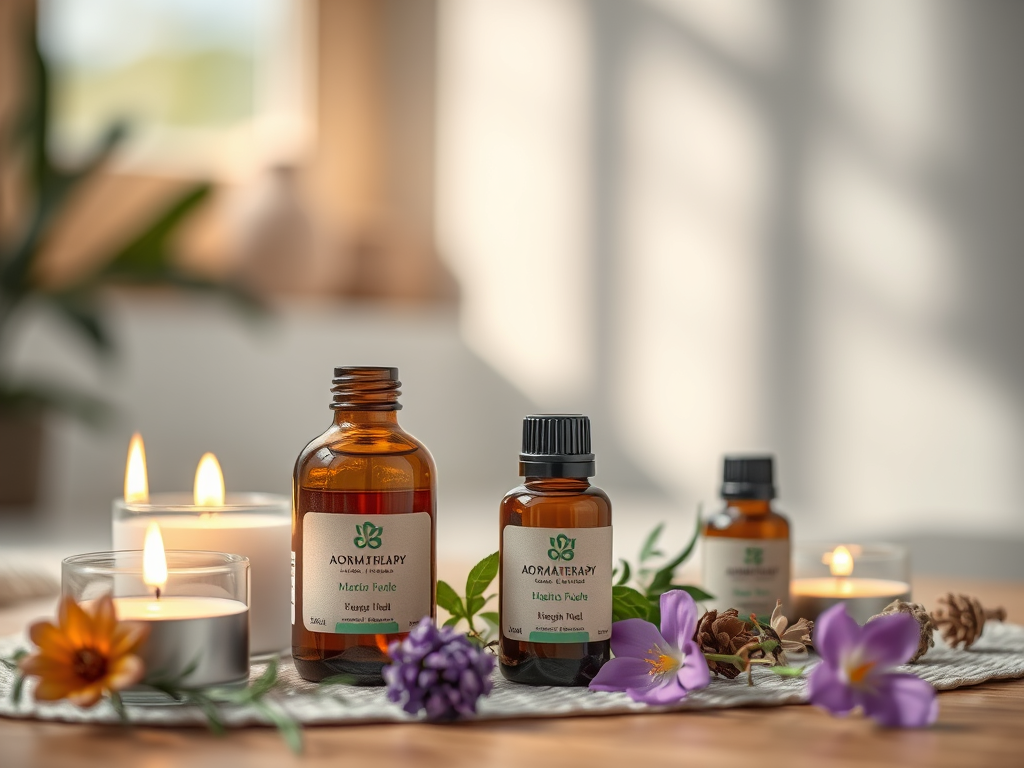
Close your eyes and imagine walking through a garden after rain. The earthy scent of wet soil mingles with the sweet fragrance of blooming jasmine. Almost instantly, you feel calmer, more present, more grounded. Or perhaps you recall the smell of freshly baked cookies at your grandmother’s house—suddenly you’re transported back in time, feeling safe, loved, and comforted. This isn’t coincidence or imagination; it’s the profound power of scent to influence your mental and emotional state.
For thousands of years, cultures across the world have recognized that certain aromas can heal, calm, energize, and transform how we feel. Ancient Egyptians used fragrant oils in religious ceremonies and medicine. Traditional Chinese Medicine has incorporated aromatic herbs for over 3,000 years. Ayurvedic practitioners in India have long understood the connection between scent and well-being. What ancient wisdom knew intuitively, modern science is now confirming: aromatherapy—the therapeutic use of essential oils and aromatic compounds—has measurable effects on mental and emotional health.
In our current world of constant stress, anxiety, and emotional overwhelm, aromatherapy offers a natural, accessible, and scientifically supported approach to improving well-being. Unlike pharmaceutical interventions that can carry side effects and dependencies, aromatherapy works gently with your body’s own systems to promote balance, reduce stress, improve mood, and support emotional resilience.
At Evelisse Beauty, we believe in harnessing nature’s powerful gifts to support holistic well-being. Aromatherapy isn’t just about pleasant fragrances—it’s about understanding how specific scents interact with your brain and body to create real, meaningful changes in your mental and emotional health.
This comprehensive guide explores the science behind aromatherapy, introduces you to the most powerful essential oils for mental and emotional wellness, and provides practical applications you can implement immediately to experience the transformative benefits of therapeutic scent. Whether you’re dealing with chronic stress, anxiety, depression, sleep issues, or simply want to enhance your overall emotional well-being, aromatherapy offers natural solutions that complement and support your journey toward better mental health.
Understanding the Science: How Aromatherapy Actually Works
To appreciate aromatherapy’s power, it’s essential to understand the remarkable mechanisms through which scent influences your brain, emotions, and physiology. This isn’t mysticism or placebo—it’s biology.
The Olfactory System: Your Direct Line to the Brain
Your sense of smell is uniquely connected to your brain in ways that other senses aren’t. When you inhale an aromatic compound, scent molecules travel through your nasal passages and bind to olfactory receptors—specialized nerve cells designed to detect odors.
Here’s where it gets fascinating: these olfactory receptors send signals directly to your olfactory bulb, which is part of your limbic system—the primitive “emotional brain” that governs memory, emotions, behavior, and motivation. This means scent bypasses the logical, thinking parts of your brain and goes straight to the areas controlling your emotional responses.
Other senses—sight, sound, touch, taste—must first route through the thalamus (your brain’s relay station) before reaching emotional centers. Smell is the only sense with this direct connection, which is why scents trigger such immediate and powerful emotional responses. A familiar fragrance can instantly transport you to a specific memory or evoke strong emotions before you consciously recognize why.
This direct pathway explains why aromatherapy can influence your emotional state so quickly and profoundly. You’re not just enjoying a pleasant smell—you’re directly stimulating the brain regions that regulate mood, stress response, memory formation, and emotional processing.
The Limbic System: Your Emotional Control Center
The limbic system, which scent directly accesses, includes several critical structures:
The amygdala processes emotions, particularly fear and pleasure, and plays a central role in emotional memory. When certain scents reach your amygdala, they can trigger the release of neurotransmitters that influence mood and emotional state.
The hippocampus forms and retrieves memories, which is why scents are so powerfully linked to memory. A particular fragrance can instantly recall not just an event but the emotions you felt during it.
The hypothalamus regulates physiological responses including stress hormones, heart rate, blood pressure, and sleep-wake cycles. Aromatic compounds that reach the hypothalamus can influence these automatic bodily functions, which is why certain scents can literally slow your heart rate or promote sleep.
This neurological pathway means aromatherapy doesn’t just make you “feel” better in a vague way—it creates measurable changes in brain chemistry and physiological responses.
The Biochemical Impact: Essential Oils and Your Body
Beyond the olfactory pathway, essential oils affect your body through biochemical mechanisms when absorbed through skin or inhaled into the lungs.
When inhaled: Volatile aromatic compounds enter your lungs, where they cross into the bloodstream and circulate throughout your body, including to your brain. Different compounds have different effects—some are sedating, some stimulating, some anti-inflammatory.
When applied topically: Essential oils (properly diluted in carrier oils) penetrate skin and enter the bloodstream. Their molecular structure allows them to cross the blood-brain barrier, where they can influence neurotransmitter activity.
Neurotransmitter modulation: Research shows that specific aromatic compounds influence neurotransmitter systems. Lavender, for example, affects GABA receptors (the same system targeted by anti-anxiety medications), explaining its calming effects. Citrus scents can increase serotonin and dopamine, the neurotransmitters associated with happiness and motivation.
Hormonal regulation: Aromatherapy can influence the hypothalamic-pituitary-adrenal (HPA) axis—your body’s stress response system. Studies demonstrate that certain essential oils reduce cortisol (your primary stress hormone) while increasing hormones associated with relaxation and well-being.
The Research Supporting Aromatherapy
While aromatherapy has ancient roots, modern scientific research increasingly validates its effectiveness:
Studies show that lavender aromatherapy reduces anxiety as effectively as some pharmaceutical interventions in certain populations. Research demonstrates that citrus scents improve mood and reduce stress markers in clinical settings. Multiple studies confirm that aromatherapy improves sleep quality and duration. Brain imaging studies show that different aromas activate specific brain regions associated with emotion regulation and memory. Clinical trials indicate aromatherapy can reduce pain perception, likely through both physiological mechanisms and emotional regulation.
The evidence base continues growing as researchers investigate aromatherapy with increasing scientific rigor. While it’s not a cure-all and shouldn’t replace professional mental health treatment when needed, aromatherapy is a legitimate, evidence-based complementary approach to supporting mental and emotional well-being.
Essential Oils for Mental and Emotional Health: Your Aromatic Pharmacy
Different essential oils have distinct properties and effects on mental and emotional states. Understanding these allows you to choose oils strategically based on your specific needs.
Lavender: The Universal Calmer
Lavandula angustifolia is perhaps the most researched and versatile essential oil for mental health. Its effects are wide-ranging and well-documented.
Primary benefits: Reduces anxiety and promotes calm, improves sleep quality and duration, alleviates mild to moderate depression, reduces stress and lowers cortisol levels, soothes nervous tension and restlessness, and eases headaches and migraines related to stress.
How it works: Lavender contains linalool and linalyl acetate, compounds that interact with GABA receptors in the brain (the same receptors targeted by benzodiazepines like Xanax, but without the side effects or dependency risks). It also influences serotonin receptors, contributing to mood improvement.
Research highlights: A study published in the Journal of Alternative and Complementary Medicine found that lavender aromatherapy was as effective as the anti-anxiety medication lorazepam for reducing anxiety in dental patients. Multiple studies confirm lavender improves sleep quality without the grogginess of sleep medications.
Best uses: Diffuse in bedrooms before sleep, add to evening baths, apply diluted to pulse points during stressful situations, inhale directly during anxiety or panic, and use in massage oils for relaxation.
Blends well with: Chamomile, bergamot, ylang ylang, frankincense, and clary sage for enhanced calming effects.
Bergamot: The Mood Lifter
Citrus bergamia, derived from the rind of bergamot oranges, offers uplifting and calming properties simultaneously—a rare combination that makes it uniquely valuable for emotional balance.
Primary benefits: Reduces anxiety and stress while simultaneously uplifting mood, alleviates depression and emotional fatigue, reduces cortisol levels, improves confidence and positive feelings, helps process grief and emotional pain, and balances emotions during hormonal fluctuations.
How it works: Bergamot contains limonene and linalyl acetate, which increase dopamine and serotonin while reducing stress hormones. It has the unusual quality of being both calming and uplifting, making it ideal when you’re stressed but need energy rather than sedation.
Research highlights: Studies show that bergamot aromatherapy significantly reduces anxiety and improves positive emotions in waiting room settings. Research indicates it lowers cortisol and blood pressure while improving mood states.
Best uses: Diffuse during morning routines for an uplifted start, use during work or study when you need calm focus, apply diluted to wrists when feeling overwhelmed or sad, add to shower products for an energizing yet calming experience, and inhale directly when processing difficult emotions.
Blends well with: Lavender, ylang ylang, geranium, chamomile, and frankincense.
Important note: Bergamot is photosensitive, meaning it can cause skin reactions when exposed to sunlight. If applying topically, avoid sun exposure on that area for 12-24 hours, or use bergapten-free (FCF) bergamot oil.
Chamomile: The Anxiety Soother
Both Roman chamomile (Chamaemelum nobile) and German chamomile (Matricaria chamomilla) offer powerful calming properties, though they have slightly different chemical profiles.
Primary benefits: Reduces anxiety and nervous tension, promotes deep relaxation and calm, soothes stress-related digestive issues, supports emotional release and processing, helps with insomnia and restless sleep, and calms anger and irritability.
How it works: Chamomile contains compounds that bind to the same brain receptors as anti-anxiety medications, promoting relaxation without sedation or dependency. It also has anti-inflammatory properties that help reduce physical manifestations of stress.
Research highlights: Multiple studies confirm chamomile’s anxiolytic (anxiety-reducing) effects. Research shows that chamomile extract significantly reduces symptoms of generalized anxiety disorder.
Best uses: Diffuse during meditation or quiet time, add to evening baths for deep relaxation, apply diluted to the solar plexus or heart area during emotional overwhelm, blend with lavender for sleep support, and use in compress form for stress headaches.
Blends well with: Lavender, bergamot, ylang ylang, neroli, and sandalwood.
Frankincense: The Spiritual Grounding Oil
Boswellia species have been used in spiritual and meditative practices for thousands of years, and modern research reveals why this ancient wisdom persists.
Primary benefits: Deepens meditation and spiritual practice, reduces anxiety and promotes inner peace, grounds scattered or overwhelmed feelings, helps process trauma and deep emotional wounds, supports spiritual and emotional growth, and quiets mental chatter and rumination.
How it works: Frankincense contains compounds that cross the blood-brain barrier and may influence brain structures involved in emotion regulation. It appears to have anti-inflammatory effects that may reduce brain inflammation associated with depression and anxiety.
Research highlights: Studies suggest frankincense may have antidepressant and anti-anxiety properties. Research indicates it can reduce stress and improve mood states.
Best uses: Diffuse during meditation, yoga, or spiritual practices, apply diluted to the crown of the head or third eye area during contemplation, use in prayer or intention-setting rituals, blend with other oils for emotional release work, and diffuse during therapy or deep personal work.
Blends well with: Sandalwood, myrrh, cedarwood, lavender, and bergamot.
Ylang Ylang: The Heart Opener
Cananga odorata offers a sweet, floral aroma that’s simultaneously calming and uplifting, with particular benefits for emotional heart-centered work.
Primary benefits: Reduces anxiety and promotes emotional calm, balances emotions and mood swings, supports healthy blood pressure and heart rate, promotes feelings of joy and confidence, helps release anger, jealousy, and fear, and enhances romantic and sensual feelings.
How it works: Ylang ylang reduces the activity of the sympathetic nervous system (responsible for fight-or-flight) while increasing parasympathetic activity (rest-and-digest). It influences hormones and neurotransmitters associated with pleasure and relaxation.
Research highlights: Studies show ylang ylang aromatherapy significantly reduces blood pressure and stress responses. Research indicates it improves mood and promotes calmness.
Best uses: Diffuse during emotional processing or heart-centered work, add to baths for luxurious self-care, apply diluted over the heart area when feeling emotionally closed or fearful, blend with citrus for mood elevation, and use in romantic settings to promote connection.
Blends well with: Bergamot, lavender, sandalwood, jasmine, and sweet orange.
Caution: Ylang ylang has a very strong fragrance. Use sparingly—too much can cause headaches or nausea in sensitive individuals.
Peppermint: The Mental Clarity Booster
Mentha piperita is powerfully stimulating and clarifying, ideal when mental fog or fatigue affects emotional well-being.
Primary benefits: Enhances mental clarity and focus, reduces mental fatigue and brain fog, energizes and uplifts mood, alleviates stress headaches and tension, improves concentration and cognitive performance, and provides an emotional “wake-up call” during numbness or dissociation.
How it works: Peppermint’s primary compound, menthol, stimulates cold receptors, creating an invigorating sensation. It increases alertness and cognitive function while reducing mental fatigue. The aroma also triggers the release of dopamine.
Research highlights: Studies show peppermint aromatherapy significantly improves memory, alertness, and processing speed. Research demonstrates it effectively reduces tension headaches and associated anxiety.
Best uses: Inhale directly during afternoon energy slumps, diffuse during work or study for enhanced focus, apply diluted to temples for stress headaches (avoiding eye area), use in morning showers for an energizing start, and inhale when feeling emotionally sluggish or depressed.
Blends well with: Rosemary, eucalyptus, lemon, and lavender (for balanced energy without overstimulation).
Caution: Peppermint is very strong. Use in small amounts and avoid with young children. Don’t apply near the face of infants or toddlers as it can cause breathing difficulties.
Rose: The Heart Healer
Rosa damascena is one of the most precious essential oils, both in cost and therapeutic value, particularly for deep emotional healing and heart-centered work.
Primary benefits: Heals emotional wounds and heartbreak, promotes self-love and compassion, reduces anxiety and depression, supports processing of grief and loss, enhances feelings of comfort and nurturing, and promotes emotional openness and vulnerability.
How it works: Rose has complex chemistry that influences multiple neurotransmitter systems. It promotes the release of dopamine and endorphins while reducing stress hormones. Its gentle, loving quality makes it particularly effective for emotional healing work.
Research highlights: Studies show rose aromatherapy significantly reduces anxiety in various clinical settings. Research indicates it improves mood and promotes relaxation in people experiencing stress or depression.
Best uses: Apply diluted over the heart area during emotional healing work, diffuse during grief processing or heartbreak, use in baths for self-love rituals, blend with other oils for deep emotional support, and apply to pulse points during times requiring emotional courage.
Blends well with: Bergamot, lavender, ylang ylang, sandalwood, and frankincense.
Cost consideration: True rose essential oil is extremely expensive (requiring thousands of pounds of petals for small amounts of oil). Rose absolute or high-quality rose otto are worthwhile investments, but you can also use more affordable rose geranium, which has similar though less intense properties.
Sandalwood: The Peaceful Mind Oil
Santalum album has been used in meditation and spiritual practices for millennia, valued for its profoundly grounding and centering effects.
Primary benefits: Calms mental chatter and rumination, deepens meditation and mindfulness practices, reduces anxiety and promotes inner peace, grounds scattered or anxious energy, supports spiritual connection and awareness, and promotes acceptance and surrender.
How it works: Sandalwood contains santalol, which has sedative and anxiety-reducing properties. It appears to influence pineal gland function, which may explain its traditional association with spiritual practice and meditation.
Research highlights: Studies show sandalwood aromatherapy reduces anxiety and increases feelings of calmness. Research indicates it has physiological effects including reduced blood pressure and stress markers.
Best uses: Diffuse during meditation or contemplative practices, apply diluted to wrists or third eye during mindfulness exercises, use during yoga or spiritual rituals, blend with frankincense for deep spiritual work, and diffuse at night for peaceful, restful sleep.
Blends well with: Frankincense, lavender, bergamot, ylang ylang, and cedarwood.
Sustainability note: True Indian sandalwood (Santalum album) is endangered due to over-harvesting. Consider Australian sandalwood (Santalum spicatum) as a sustainable alternative with similar properties.
Clary Sage: The Hormonal Balance Oil
Salvia sclarea is particularly valuable for emotional fluctuations related to hormonal changes, though its benefits extend beyond hormonal support.
Primary benefits: Balances emotions during hormonal fluctuations (menstrual cycle, menopause, postpartum), reduces anxiety and promotes euphoric feelings, alleviates depression and emotional heaviness, promotes restful sleep, helps release control and perfectionism, and supports creative expression and intuition.
How it works: Clary sage contains sclareol, which has estrogen-like properties that may help balance hormones. It also affects neurotransmitters, increasing dopamine and serotonin while reducing cortisol.
Research highlights: Studies show clary sage significantly reduces cortisol and improves thyroid hormone levels. Research indicates it reduces anxiety and depression in menopausal women.
Best uses: Diffuse or apply diluted during hormonal emotional swings, use during menstruation for emotional and physical comfort, blend with lavender for sleep support, apply over the lower abdomen during menstrual discomfort, and diffuse during creative work or when feeling emotionally stuck.
Blends well with: Lavender, bergamot, geranium, ylang ylang, and frankincense.
Caution: Avoid during pregnancy. Don’t use before driving or operating machinery as it can cause drowsiness. Some people find the scent overwhelming, so use in moderation.
Lemon: The Uplifting Energizer
Citrus limon offers bright, clean energy that lifts mood and promotes mental clarity without overstimulation.
Primary benefits: Elevates mood and reduces depression, increases mental clarity and focus, energizes without causing anxiety, promotes optimism and positive thinking, reduces mental fatigue and enhances productivity, and cleanses emotional and energetic heaviness.
How it works: Lemon’s limonene content increases serotonin and dopamine while reducing stress hormones. Its bright, clean scent is psychologically associated with cleanliness and freshness, providing emotional uplift.
Research highlights: Studies show lemon aromatherapy significantly improves mood and reduces anxiety. Research indicates it enhances cognitive performance and positive emotions.
Best uses: Diffuse during morning routines for an uplifted start, use in workspace for enhanced focus and productivity, inhale when feeling depressed or heavy, add to cleaning products for emotional cleansing alongside physical, and blend with other citrus oils for maximum mood elevation.
Blends well with: Other citrus oils, peppermint, rosemary, lavender, and eucalyptus.
Caution: Like bergamot, lemon is photosensitive. Avoid sun exposure on skin areas where lemon oil has been applied topically.
Practical Applications: How to Use Aromatherapy in Daily Life
Understanding essential oils’ properties is just the beginning. The real transformation happens when you integrate aromatherapy intentionally into your daily routines and use it strategically for specific mental and emotional needs.
Diffusion: Creating Therapeutic Atmospheres
Diffusing essential oils disperses aromatic molecules into the air, allowing continuous inhalation and creating an entire environment of therapeutic benefit.
Types of diffusers:
Ultrasonic diffusers use water and ultrasonic vibrations to create a fine mist of essential oil and water. They’re quiet, humidify the air slightly, and are generally the most popular option. Use 3-5 drops of essential oil per 100ml of water.
Nebulizing diffusers don’t use water—they atomize pure essential oil into fine particles. They’re more potent and therapeutic but use oil more quickly and can be expensive. These are ideal for therapeutic applications.
Heat diffusers (candle or electric) warm oil to release fragrance. While least expensive, heat can alter oil chemistry and reduce therapeutic benefits. Better for ambiance than therapy.
Reed diffusers use reeds that wick oil up and release fragrance passively. They’re continuous and require no electricity but offer less control over intensity.
How to diffuse effectively: Start with 3-5 drops total for a standard-sized room. You can always add more, but starting light prevents overwhelming the space. Diffuse in 30-60 minute intervals rather than continuously—your olfactory receptors adapt to constant smells, reducing effectiveness. Place diffusers where air circulates but not in direct airflow from fans or vents. Clean diffusers regularly (weekly) to prevent oil buildup and ensure pure aromatherapy.
Timing strategies: Diffuse energizing oils (citrus, peppermint, rosemary) during morning and daytime hours. Use calming oils (lavender, chamomile, sandalwood) in evening and bedroom spaces. Match oils to activities: focusing oils during work, grounding oils during meditation, uplifting oils during exercise or creative projects.
Direct Inhalation: Immediate Relief
Direct inhalation provides the fastest aromatherapy effects—ideal for acute anxiety, stress spikes, or immediate emotional needs.
Methods:
From the bottle: Open the bottle and hold it a few inches from your nose. Inhale slowly and deeply for several breaths. Simple and effective for quick relief.
On hands: Place 1-2 drops in your palms, rub together, cup over your nose and mouth (not touching face), and breathe deeply. The warmth of your hands helps volatilize the oil.
On tissue or cotton ball: Add a few drops to a tissue, cotton ball, or handkerchief and keep it with you to inhale throughout the day.
Aromatherapy jewelry: Special necklaces, bracelets, or rings with porous stones or pads allow you to apply oil and inhale it throughout the day.
Personal inhaler: Small, portable inhalers (like nasal inhalers) can be filled with essential oil on a cotton wick for discreet, convenient access.
When to use direct inhalation: During panic attacks or acute anxiety, before stressful situations (meetings, difficult conversations, medical appointments), when you need quick mood shifts, during commutes or travel when diffusing isn’t possible, and anytime you need immediate emotional support.
Topical Application: Absorbed Through Skin
When applied to skin (always diluted in carrier oils), essential oils enter the bloodstream and create systemic effects while also providing the benefits of inhalation.
Carrier oils: Essential oils are too concentrated to apply directly to skin and must be diluted in carrier oils like jojoba, sweet almond, coconut, grapeseed, or argan oil.
Dilution guidelines:
- For face: 0.5-1% dilution (1-2 drops essential oil per teaspoon of carrier oil)
- For body: 2-3% dilution (4-6 drops essential oil per teaspoon of carrier oil)
- For acute issues: Up to 5% dilution (10 drops essential oil per teaspoon of carrier oil)
- For children: 0.5-1% dilution maximum
- For pregnancy: Consult healthcare provider; many oils should be avoided
Strategic application points:
Pulse points (wrists, neck, behind ears, inner elbows) allow frequent inhalation while the warmth helps volatilize oils.
Heart area is ideal for heart-centered oils like rose, ylang ylang, or bergamot during emotional work.
Solar plexus (upper abdomen, below ribs) for grounding, confidence, and processing emotions related to power and self-worth.
Temples (avoiding eyes) for headaches, mental clarity, or stress relief.
Base of skull and neck for tension, stress, and grounding.
Bottom of feet have large pores and absorb oils quickly, plus it’s a safe area less likely to cause irritation.
Application technique: Apply diluted oil to chosen area and massage gently in circular motions. The massage itself is therapeutic, enhancing circulation and promoting relaxation. Allow oils to absorb without immediately washing the area.
Safety considerations: Always perform a patch test before using new oils—apply a small amount of diluted oil to your inner arm and wait 24 hours to ensure no reaction. Avoid mucous membranes, eyes, and inner ears. Some oils (especially citrus) are photosensitive—avoid sun exposure after topical application. Pregnant women, nursing mothers, and children require special precautions—consult qualified aromatherapists or healthcare providers.
Bathing: Immersive Aromatherapy
Baths combine the benefits of warm water relaxation with aromatherapy, creating a powerful therapeutic experience.
How to add oils to baths: Essential oils don’t mix directly with water and can cause skin irritation if added undiluted. Mix 5-10 drops of essential oil with a dispersant first: 1 tablespoon of carrier oil, unscented bath gel or castile soap, full-fat milk or cream, Epsom salts or sea salt, or honey.
Therapeutic bath protocols:
Stress relief bath: Combine lavender, bergamot, and chamomile with Epsom salts (which provide magnesium for muscle relaxation). Soak for 20-30 minutes in warm (not hot) water.
Energizing bath: Blend peppermint, lemon, and rosemary. Keep water temperature moderate to avoid drowsiness.
Emotional release bath: Rose, frankincense, and ylang ylang create a space for processing difficult emotions. Light candles, play gentle music, and allow yourself to feel whatever arises.
Sleep preparation bath: Lavender, chamomile, and sandalwood 1-2 hours before bedtime promote deep, restful sleep.
Timing: Bathe when you won’t be rushed. The therapeutic benefit comes from slowing down and being present with the experience, not multitasking.
Enhance the experience: Dim lights or use candles, play calming music or nature sounds, keep water temperature comfortable (too hot can be draining), have drinking water nearby to stay hydrated, and consider gentle stretching or self-massage while bathing.
Massage: Combining Touch and Scent
Massage oils infused with essential oils provide dual benefits: the emotional and mental health benefits of aromatherapy plus the profound effects of therapeutic touch.
Creating massage oil blends: Use 2-3% dilution for general massage (10-15 drops essential oil per ounce of carrier oil). Choose carrier oils based on skin type and preference: Jojoba absorbs quickly and suits all skin types. Sweet almond is nourishing and has a light texture. Coconut oil is deeply moisturizing but can be comedogenic for some. Grapeseed is light and good for oily skin.
Self-massage techniques:
Hand and arm massage: Apply oil to one hand, massage each finger, then work up the hand and arm in long strokes. Repeat on the other side. Particularly grounding during anxiety.
Foot massage: Sit comfortably and massage one foot thoroughly, including each toe, the arch, and ankle. The feet contain numerous nerve endings connected to the entire body.
Scalp massage: Apply diluted oil to fingertips and massage scalp in small circles. This releases tension and promotes relaxation.
Abdomen massage: Use gentle clockwise circles on the abdomen. Particularly soothing for stress-related digestive issues.
Partner massage: Exchanging massage with a partner creates connection while providing aromatherapy benefits. Even brief shoulder or hand massages offer significant stress relief and emotional support.
Compress: Targeted Application
Compresses deliver concentrated aromatherapy to specific areas—particularly effective for tension, headaches, or when you want focused application.
How to create a compress: Add 5-6 drops of essential oil to a bowl of water (warm for muscle tension and pain, cool for inflammation or headaches). Soak a clean cloth in the water, wring out excess, and apply to the affected area. Cover with a towel to maintain temperature and keep in place for 15-20 minutes.
When to use compresses: For stress headaches (cool compress with lavender and peppermint on forehead and back of neck), muscle tension (warm compress with lavender and chamomile on shoulders or wherever tension accumulates), or emotional overwhelm (warm compress with grounding oils like frankincense or sandalwood on the heart or solar plexus area).
Room and Linen Sprays: Ambient Aromatherapy
Creating room or pillow sprays provides gentle, lasting aromatherapy that’s perfect for bedrooms, workspaces, or any environment you want to influence.
Basic recipe: In a 4-ounce spray bottle, combine 1 tablespoon of vodka or witch hazel (helps oils mix with water), 10-20 drops of essential oils, and fill the remainder with distilled water. Shake well before each use.
Applications: Spray pillows and bedding 15-30 minutes before sleep (allowing alcohol to evaporate). Mist workspaces to promote focus and reduce stress. Freshen cars, closets, or any space you want to infuse with specific energy. Spray yoga mats or meditation cushions before practice.
Popular blends:
- Sleep spray: Lavender, chamomile, sandalwood
- Focus spray: Peppermint, lemon, rosemary
- Calm spray: Lavender, bergamot, frankincense
- Uplift spray: Sweet orange, lemon, bergamot
- Grounding spray: Cedarwood, frankincense, sandalwood
Creating Custom Blends for Specific Mental and Emotional Needs
While single essential oils are powerful, blending oils creates synergistic effects where the combination is more powerful than individual components. Here’s how to create therapeutic blends for common mental and emotional health concerns.
Anxiety Relief Blends
Gentle Calm:
- 4 drops lavender
- 3 drops bergamot
- 2 drops chamomile
- 1 drop ylang ylang
Use in diffuser, bath, or diluted for topical application. This blend combines multiple anxiety-reducing oils for comprehensive calm without sedation.
Grounding Peace:
- 3 drops frankincense
- 3 drops sandalwood
- 2 drops lavender
- 2 drops cedarwood
Particularly effective for anxiety accompanied by feeling scattered, ungrounded, or spiritually disconnected.
Panic Attack Rescue:
- 3 drops lavender
- 2 drops frankincense
- 2 drops bergamot
- 1 drop ylang ylang
Keep this blend in a personal inhaler or roller bottle for immediate access during acute anxiety or panic.
Depression and Mood Support Blends
Sunshine in a Bottle:
- 4 drops sweet orange
- 3 drops lemon
- 2 drops bergamot
- 1 drop ylang ylang
This bright, uplifting blend combats emotional heaviness and promotes optimism.
Heart Healer:
- 3 drops rose (or rose geranium)
- 3 drops bergamot
- 2 drops frankincense
- 2 drops lavender
Particularly supportive for depression rooted in grief, heartbreak, or emotional pain.
Energizing Uplift:
- 3 drops peppermint
- 3 drops lemon
- 2 drops rosemary
- 2 drops grapefruit
When depression manifests as mental fog, fatigue, or lack of motivation, this invigorating blend provides gentle energy and mental clarity.
Sleep and Relaxation Blends
Deep Sleep:
- 4 drops lavender
- 3 drops chamomile
- 2 drops sandalwood
- 1 drop clary sage
Diffuse in the bedroom 30 minutes before sleep or add to a bedtime bath.
Quiet Mind:
- 3 drops lavender
- 3 drops frankincense
- 2 drops sandalwood
- 2 drops vetiver
Ideal when racing thoughts prevent sleep. The grounding, meditative quality helps quiet mental chatter.
Restful Ease:
- 4 drops lavender
- 3 drops bergamot
- 3 drops ylang ylang
Particularly helpful for stress-related insomnia where you’re physically tired but emotionally wired.
Focus and Mental Clarity Blends
Concentration:
- 3 drops peppermint
- 3 drops rosemary
- 2 drops lemon
- 2 drops basil
Diffuse during work, study, or any activity requiring sustained mental focus.
Creative Flow:
- 3 drops lemon
- 2 drops rosemary
- 2 drops frankincense
- 2 drops sandalwood
- 1 drop clary sage
Supports both mental clarity and creative, intuitive thinking—ideal for creative projects or problem-solving.
Mental Refresh:
- 4 drops peppermint
- 3 drops eucalyptus
- 2 drops lemon
- 1 drop rosemary
- For afternoon mental slumps or when you need to reset focus and energy.
- Emotional Balance and Processing Blends
- Heart Chakra:
- 3 drops rose
- 3 drops bergamot
- 2 drops ylang ylang
- 2 drops lavender
- For heart-centered emotional work, processing heartbreak, or cultivating self-love.
- Emotional Release:
- 3 drops frankincense
- 2 drops rose
- 2 drops lavender
- 2 drops cypress
- 1 drop helichrysum (if available)
- Supports the processing and release of deep or traumatic emotions. Use during therapy, journaling, or emotional healing work.
- Hormonal Balance:
- 4 drops clary sage
- 3 drops geranium
- 2 drops lavender
- 1 drop ylang ylang
- For emotional fluctuations related to hormonal cycles—menstruation, menopause, postpartum, or any time hormones influence mood.
- Trauma and PTSD Support Blends
- Safe Space:
- 3 drops frankincense
- 3 drops lavender
- 2 drops sandalwood
- 2 drops vetiver
- Creates a sense of safety and grounding—essential for trauma recovery. This blend won’t replace professional trauma treatment but can support the healing process.
- Gentle Courage:
- 3 drops bergamot
- 2 drops frankincense
- 2 drops rose
- 2 drops sandalwood
- 1 drop ylang ylang
- For moments requiring emotional courage—facing triggers, processing traumatic memories, or engaging in exposure therapy.
- Grief and Loss Support Blends
- Comfort:
- 3 drops rose
- 3 drops frankincense
- 2 drops sandalwood
- 2 drops cypress
- Provides gentle comfort during acute grief while supporting the processing of loss.
- Hope:
- 3 drops bergamot
- 2 drops rose
- 2 drops frankincense
- 2 drops lavender
- 1 drop lemon
- For later stages of grief when you’re ready to reconnect with hope and possibility while still honoring loss.
- Safety Considerations and Contraindications
- While aromatherapy is generally safe when used properly, essential oils are potent substances that require respect and appropriate precautions.
- General Safety Guidelines
- Always dilute for topical use. Undiluted essential oils (with rare exceptions like lavender for minor burns) can cause irritation, sensitization, or chemical burns.
- Perform patch tests. Before using new oils topically, test a small diluted amount on your inner arm and wait 24 hours to ensure no reaction.
- Quality matters. Use only pure, therapeutic-grade essential oils from reputable suppliers. Synthetic fragrance oils lack therapeutic properties and may contain harmful chemicals.
- Less is more. More essential oil doesn’t mean better results. Appropriate dilutions are more effective and safer than high concentrations.
- Storage. Keep essential oils in dark glass bottles, away from heat and light, tightly sealed. Most have a shelf life of 1-3 years (citrus oils oxidize faster).
- Internal use. Don’t ingest essential oils unless under the guidance of a qualified aromatherapist or healthcare provider. Many oils are toxic when swallowed.
- Special Populations
- Pregnancy and breastfeeding: Many essential oils should be avoided during pregnancy, especially in the first trimester. Generally safe oils (in proper dilution and after the first trimester) include lavender, chamomile, and ylang ylang. Always consult healthcare providers. Avoid: clary sage, rosemary, peppermint, and many others.
- Infants and young children: Children’s developing systems are more sensitive to essential oils. Use only highly diluted oils (0.5-1%) and avoid certain oils entirely. Safe options include lavender and chamomile in appropriate dilutions. Never apply peppermint or eucalyptus near the faces of children under 10—it can cause breathing difficulties.
- Elderly individuals: May have more sensitive skin and health conditions requiring precautions. Use lower dilutions and avoid oils that might interact with medications.
- People with epilepsy: Some oils (rosemary, eucalyptus, fennel, sage) may trigger seizures. Consult healthcare providers before using aromatherapy.
- Asthma and respiratory conditions: While some oils help breathing, others may trigger reactions. Start with very small amounts and discontinue if any breathing difficulty occurs.
- Skin conditions: Eczema, psoriasis, or very sensitive skin requires extra caution. Use lower dilutions and avoid potentially irritating oils.
- Potential Interactions and Contraindications
- Photosensitivity: Citrus oils (lemon, bergamot, lime, grapefruit) and some others cause skin to be more sensitive to sunlight. Avoid sun exposure for 12-24 hours after topical application.
- Medication interactions: Some essential oils may interact with medications. If you take prescription medications, consult your healthcare provider before using aromatherapy, especially:
- Blood thinners (avoid oils like clove, wintergreen)
- Blood pressure medications (some oils affect blood pressure)
- Sedatives or anti-anxiety medications (avoid sedating oils or use under medical supervision)
- Allergies: If you’re allergic to a plant, you may react to its essential oil. For example, those allergic to ragweed might react to chamomile.
- Pre-existing conditions: Certain health conditions require specific precautions:
- High blood pressure: Avoid stimulating oils
- Low blood pressure: Use caution with sedating oils
- Hormone-sensitive conditions: Be cautious with oils having estrogenic effects
- Over-use and sensitization: Using the same oil continuously for extended periods can cause sensitization (developing allergic reactions). Rotate oils and take breaks from regular use.
- Recognizing Adverse Reactions
- Stop using an oil immediately if you experience: skin irritation, redness, itching, or rash; difficulty breathing or tightness in chest; headache, nausea, or dizziness; or any unexpected or concerning symptoms.
- For skin reactions, wash the area thoroughly with soap and water, then apply a carrier oil (which helps dilute and remove essential oil). For serious reactions, seek medical attention.
- Integrating Aromatherapy with Other Mental Health Approaches
- Aromatherapy is most effective as part of a comprehensive approach to mental and emotional health, not as a standalone treatment for serious conditions.
- Aromatherapy and Therapy
- Many therapists incorporate aromatherapy into their practices, and you can use it to enhance your own therapy work:
- Before sessions: Use grounding oils like frankincense or sandalwood to prepare mentally and emotionally for deep work.
- During sessions: If your therapist allows, bring calming oils to use if you become overwhelmed during difficult processing.
- After sessions: Use comforting oils like lavender or rose to soothe yourself after emotionally intense work.
- Processing between sessions: Aromatherapy can support the continued processing and integration of insights from therapy.
- EMDR and trauma work: Some trauma therapists use aromatherapy as an anchoring technique during EMDR or other trauma processing modalities.
- Aromatherapy and Medication
- Aromatherapy can complement psychiatric medications but should never replace prescribed treatment without medical supervision.
- Benefits of combination: Aromatherapy may help reduce the dosage needed for some medications (under medical supervision) or address side effects like anxiety or insomnia. It provides additional tools for managing symptoms between medication doses and supports overall well-being in ways medication alone may not address.
- Important precautions: Never discontinue or reduce medication without medical guidance. Inform your healthcare providers about all aromatherapy use. Be aware of potential interactions. Use aromatherapy as a complement, not replacement, for prescribed treatment.
- Aromatherapy and Mindfulness Practices
- Aromatherapy naturally enhances meditation, yoga, and other mindfulness practices:
- Meditation: Diffuse grounding oils like frankincense, sandalwood, or cedarwood. The scent provides an anchor for attention when the mind wanders.
- Yoga: Different oils suit different practices—energizing oils for vinyasa flow, calming oils for restorative yoga, grounding oils for yin practice.
- Breathwork: Aromatherapy makes focusing on breath more pleasant and engaging. Use oils that open airways (eucalyptus) or promote calm (lavender).
- Journaling: Create a specific scent for journaling practice. Over time, that scent will trigger the reflective state useful for writing.
- Prayer or spiritual practice: Many traditions have long incorporated aromatics. Choose scents that deepen your connection to your practice.
- Aromatherapy and Lifestyle Factors
- Aromatherapy supports but doesn’t replace fundamental wellness practices:
- Sleep hygiene: Aromatherapy enhances good sleep habits but can’t compensate for poor sleep hygiene.
- Nutrition: Scent may reduce stress-eating or emotional eating patterns, but it’s not a substitute for nourishing food.
- Exercise: Some oils provide energy or reduce post-exercise inflammation, complementing physical activity.
- Social connection: While aromatherapy supports emotional well-being, it doesn’t replace genuine human connection and relationships.
- Think of aromatherapy as one valuable tool in your comprehensive mental health toolkit, working synergistically with other evidence-based approaches.
- Building Your Aromatherapy Practice: Getting Started
- If you’re new to aromatherapy or want to deepen your practice, here’s how to begin building an effective, sustainable aromatherapy routine for mental and emotional health.
- Starting Your Essential Oil Collection
- You don’t need dozens of oils to begin. Start with a small, versatile collection and expand based on your specific needs and responses.
- Starter kit (5-7 oils):
- Lavender: The most versatile oil for anxiety, sleep, and overall calm
- Bergamot: Mood elevation with anxiety reduction
- Peppermint: Mental clarity and energy
- Lemon: Uplifting and cleansing
- Frankincense: Grounding and emotional healing
- Chamomile (Roman or German): Deep relaxation and anxiety relief
- Ylang ylang: Emotional balance and heart-centered work
- This collection covers the primary mental and emotional health needs: anxiety relief, depression support, sleep enhancement, mental clarity, emotional processing, and energizing uplift.
- Quality considerations: Buy from reputable suppliers who provide:
- Latin botanical names (ensuring you’re getting the correct species)
- Country of origin
- Extraction method
- GC/MS testing results (chemical analysis proving purity)
- Dark glass bottles (protecting oils from light degradation)
- Expect to pay more for quality oils. Very cheap oils are likely diluted, adulterated, or synthetic.
- Where to buy: Look for companies specializing in therapeutic-grade essential oils. Research company reputations, read reviews from aromatherapy practitioners, avoid MLM (multi-level marketing) companies which often make exaggerated claims, and be wary of “therapeutic grade” as a marketing term—there’s no official certification, so look at testing results instead.
- Essential Equipment
- Diffuser: Choose based on your needs and budget. Ultrasonic diffusers offer the best balance of effectiveness, cost, and convenience for most people.
- Carrier oils: Start with one or two versatile options like jojoba and sweet almond oil.
- Glass bottles: Collect small glass bottles (roller bottles, dropper bottles, spray bottles) for creating blends, personal inhalers, and custom preparations.
- Measuring tools: Droppers or pipettes for accurate dilution.
- Storage: A box or bag to keep oils organized, protected from light, and safely away from children or pets.
- Notebook: Track which oils and blends you use, dilutions, and your responses. This helps you refine your practice over time.
- Creating Your Routine
- Morning aromatherapy: Choose energizing, uplifting oils to support positive mood and mental clarity throughout the day. Diffuse during morning routine, apply diluted oils to pulse points, or use in shower products.
- Daytime as-needed: Keep a personal inhaler or roller bottle with calming oils for stressful moments. Have focusing blends available for work or study.
- Evening wind-down: Transition to calming oils 1-2 hours before bedtime. Diffuse in living spaces, use in baths, or apply to pulse points.
- Bedtime: Create a consistent sleep routine including aromatherapy—pillow spray, diffuser in bedroom, or topical application of sleep-supporting oils.
- Weekly practices: Set aside time for more intentional aromatherapy self-care—therapeutic baths, massage with blended oils, or meditation with specific scents.
- Tracking and Refining
- Keep records: Note which oils and blends you use, for what purpose, dilution rates, and most importantly, how you feel before and after use.
- Observe patterns: Over time, you’ll notice which oils most effectively support your unique mental and emotional needs.
- Adjust and experiment: Don’t be afraid to modify blends, try new oils, or change dilution rates based on your experiences.
- Seasonal adjustments: Your needs may change with seasons—energizing oils might be more helpful in dark winter months, while calming oils might be more needed during stressful work seasons.
- Life circumstance adaptations: As life changes, your aromatherapy needs will too. Stay flexible and responsive.
- The Holistic Picture: Aromatherapy as Part of Complete Wellness
- Aromatherapy is powerful, but it’s most transformative when integrated into a holistic approach to mental and emotional well-being.
- The Mind-Body Connection
- Aromatherapy works because mind and body are inseparable. Scents that calm your nervous system change your emotional state. Oils that lift your mood affect your physical energy. This bidirectional influence means aromatherapy supports whole-person wellness.
- Combine aromatherapy with: adequate sleep, nutritious food, regular movement, meaningful social connections, stress management practices, time in nature, creative expression, and purpose-driven activities.
- Preventive Care
- Don’t wait for crisis to practice aromatherapy. Regular use builds resilience, reduces baseline stress levels, supports emotional regulation, promotes better sleep, and enhances overall well-being—creating a foundation that helps you weather difficulties when they arise.
- Think of aromatherapy like exercise for your emotional immune system—consistent practice strengthens your capacity to handle stress and maintain equilibrium.
- When to Seek Professional Help
- Aromatherapy is wonderful for general well-being and mild to moderate mental health concerns, but it’s not a substitute for professional treatment when needed.
- Seek professional mental health support if you experience: persistent depression lasting more than two weeks, thoughts of self-harm or suicide, anxiety that significantly impairs daily functioning, trauma symptoms that aromatherapy alone doesn’t adequately address, substance use as a coping mechanism, or relationship or work problems stemming from mental health struggles.
- Aromatherapy can be a valuable complement to therapy, medication, or other professional treatment—enhancing outcomes while you receive appropriate care.
- Your Aromatic Journey Begins
- You now understand the profound power of aromatherapy to influence mental and emotional health—not through mysticism, but through the remarkable biology of scent and its direct pathway to your emotional brain.
- You’ve learned about specific essential oils and their therapeutic properties, practical applications for incorporating aromatherapy into daily life, how to create custom blends for your unique needs, and important safety considerations to ensure beneficial, responsible use.
- But knowledge alone doesn’t create transformation. The magic happens when you actually begin experiencing aromatherapy’s effects—when you notice anxiety melting away as you inhale lavender, when bergamot lifts the heaviness of a difficult day, when frankincense helps you access deeper meditation, or when a custom blend becomes your anchor during emotional storms.
- Start simply. Choose one or two oils that resonate with your current needs. Experiment with diffusion or direct inhalation. Notice how different scents make you feel—not just emotionally, but in your body, your breath, your overall state.
- Be patient. While some aromatherapy effects are immediate, others build over time with consistent use. Give yourself several weeks to develop a practice and observe its impacts.
- Stay curious. Aromatherapy is both science and art. Let your own experiences guide you toward the oils, blends, and practices that most effectively support your unique mental and emotional health.
- At Evelisse Beauty, we’re committed to supporting your journey toward holistic well-being—recognizing that true beauty radiates from within when you feel mentally clear, emotionally balanced, and genuinely at peace.
- Explore our collection of pure, therapeutic-grade essential oils and aromatherapy products designed to support your mental and emotional wellness. Because everyone deserves the natural, gentle, powerful support that aromatherapy provides on the path toward greater well-being.
- Your emotional health matters. Your mental clarity matters. Your peace of mind matters. And sometimes, the path toward all three begins with a single, intentional breath of healing scent.